Bone Cancer: Early Signs, Symptoms, and When to See a Doctor
By : Housepital, Published on : 04 Jul 2026
Bone pain is common. It can happen after an injury, due to arthritis, or simply from overuse. But in rare cases, persistent bone pain may be a sign of something more serious—bone cancer.
Although bone cancer is uncommon, recognizing its early warning signs and seeking timely medical attention can make a significant difference in diagnosis and treatment outcomes. Understanding what to look for can help you or a loved one take the right steps without unnecessary delay.
What Is Bone Cancer?
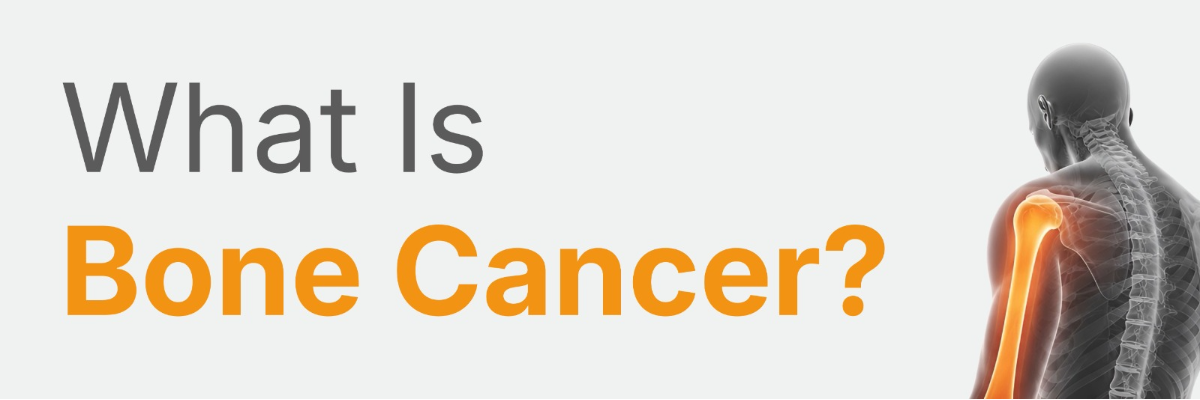
Bone cancer is a condition in which abnormal cells grow uncontrollably within the bone, forming a malignant tumour. It can either:
-
Start in the bone (primary bone cancer), or
-
Spread to the bone from another part of the body (secondary or metastatic bone cancer).
Primary bone cancer is rare but can affect both children and adults. Some of the more common types include osteosarcoma, chondrosarcoma, and Ewing sarcoma.
Early Signs and Symptoms of Bone Cancer
The symptoms often develop gradually and may resemble more common conditions. Some warning signs include:
Persistent Bone Pain
The most common symptom is pain that does not improve with rest. It may:
-
Start as occasional discomfort.
-
Become more frequent over time.
-
Be worse at night or during activity.
-
Continue for weeks or months.
Swelling or a Lump
A swelling or noticeable lump near a bone or joint may develop as the tumour grows. The area may feel tender or warm.
Frequent Fractures
Bones weakened by a tumour may break more easily than expected, sometimes after a minor fall or injury.
Reduced Movement
If the affected bone is near a joint, stiffness, reduced range of motion, or difficulty walking may occur.
Unexplained Fatigue and Weight Loss
Some people experience ongoing tiredness, loss of appetite, or unintentional weight loss along with bone-related symptoms.
When Should You See a Doctor?
Seek medical evaluation if you experience:
-
Bone pain lasting more than two to three weeks.
-
Pain that worsens over time.
-
Night-time pain that disturbs sleep.
-
Swelling or a lump over a bone.
-
Difficulty using a limb without an obvious injury.
-
A fracture after minimal trauma.
These symptoms do not always mean cancer, but they should never be ignored.
How Is Bone Cancer Diagnosed?
Doctors may recommend one or more of the following:
-
Physical examination
-
X-ray
-
MRI or CT scan
-
Bone scan or PET scan (when appropriate)
-
Blood tests
-
Biopsy (the definitive test to confirm the diagnosis)
Early diagnosis helps doctors plan the most appropriate treatment.
Treatment Options
Treatment depends on the type, stage, and location of the cancer, as well as the patient's overall health. It may include:
-
Surgery
-
Chemotherapy
-
Radiation therapy
-
Targeted therapy (for certain cancers)
-
Rehabilitation and physiotherapy after treatment
Your oncology team will recommend a personalized treatment plan.
Recovery After Bone Cancer Treatment
Recovery continues long after treatment is completed. Many patients need support to regain mobility, rebuild strength, and return to daily life.
Depending on the treatment received, recovery may involve:
-
Physiotherapy to improve movement and muscle strength.
-
Skilled nursing care for wound management and medication support.
-
Assistance with daily activities during the recovery period.
-
Pain management and regular follow-up.
-
Emotional support for both patients and caregivers.
Receiving rehabilitation at home can make recovery more comfortable while allowing patients to stay close to their families.
How Housepital Supports Recovery at Home
While cancer diagnosis and treatment are managed by oncology specialists, recovery often continues at home.
Housepital provides comprehensive home healthcare services that support patients during the recovery phase, including:
-
Home nursing care
-
Physiotherapy at home
-
Trained caregivers
-
Medical equipment support
-
Post-operative rehabilitation
-
Mobility assistance
Our goal is to help patients recover safely, comfortably, and with dignity in the familiar environment of their own home.
Final Thoughts
Bone cancer is rare, but persistent symptoms deserve attention. Bone pain that doesn't improve, swelling, unexplained fractures, or difficulty moving should never be ignored.
Early medical evaluation can lead to timely diagnosis and better treatment outcomes. And after treatment, the right rehabilitation and home healthcare support can play an important role in helping patients regain independence and improve their quality of life.
If you or a loved one is recovering from bone cancer treatment, Housepital is here to provide compassionate home healthcare every step of the way.
Need care for a loved one at home?
Trained nurses, caregivers and physiotherapists across Delhi NCR.
Explore our services