H1N1 Virus: Symptoms, Treatment and Prevention
By : Housepital, Published on : 03 Sep 2026
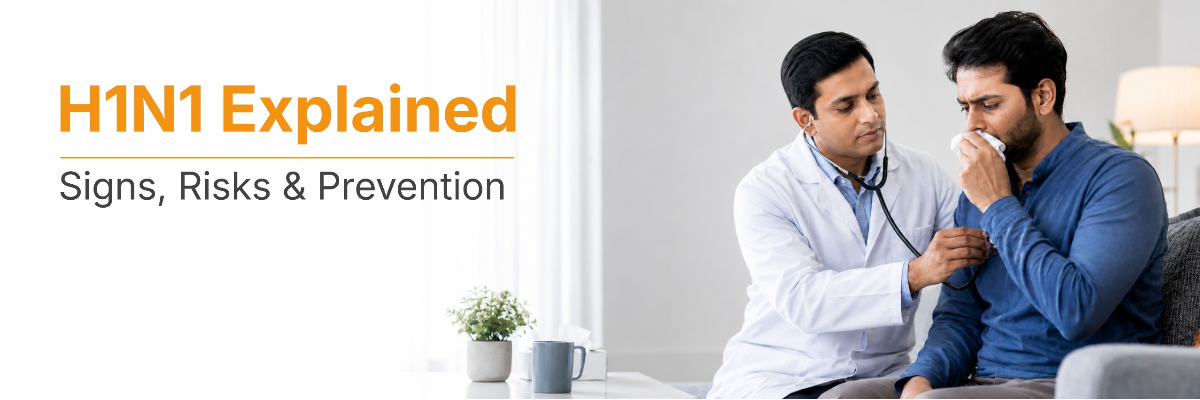
H1N1 can initially feel like an ordinary seasonal flu, with symptoms such as fever, cough, sore throat and body aches. However, in some people, the infection can become serious and lead to complications such as pneumonia or breathing difficulties.
Recognising the symptoms early and seeking timely medical advice can help ensure a safer recovery.
What is H1N1?
H1N1 is a subtype of the influenza A virus. It became widely known during the 2009 “swine flu” pandemic and now circulates as one of the viruses responsible for seasonal influenza.
It primarily affects the respiratory system, including the nose, throat and lungs. While most people recover with rest and supportive care, high-risk patients may require antiviral treatment or hospitalisation.
How does H1N1 spread?
H1N1 spreads mainly through respiratory particles released when an infected person coughs, sneezes, speaks or breathes.
The virus can spread quickly in crowded or poorly ventilated places, including:
-
Homes
-
Schools
-
Offices
-
Hospitals
-
Public transport
Touching contaminated objects and then touching the eyes, nose or mouth may also contribute to infection.
Common symptoms of H1N1
H1N1 symptoms are similar to seasonal flu and often appear suddenly:
-
Fever or chills
-
Cough
-
Sore throat
-
Runny or blocked nose
-
Headache
-
Muscle and body aches
-
Fatigue or weakness
-
Chest discomfort or tightness
-
Occasionally, vomiting or diarrhoea—particularly in children
Not everyone with H1N1 develops a fever. Since H1N1, seasonal flu and COVID-19 can have similar symptoms, consult a doctor for the correct diagnosis.
Who is at greater risk?
H1N1 can affect anyone, but certain people have a higher risk of developing complications:
-
Children below five years of age
-
Adults aged 65 years and above
-
Pregnant women
-
People with asthma or chronic lung disease
-
People with diabetes, heart, kidney or liver conditions
-
People with weakened immunity
-
People with severe obesity
Anyone in a high-risk group who develops flu-like symptoms should seek medical advice early.
When should you seek immediate medical attention?
Seek urgent medical care if the patient experiences:
-
Difficulty breathing or shortness of breath
-
Persistent chest pain or pressure
-
Bluish lips or face
-
Confusion or extreme drowsiness
-
Severe dizziness or weakness
-
Seizures
-
Reduced urination or signs of dehydration
-
Fever or cough that improves but returns or worsens
-
Worsening of an existing medical condition
In children, fast breathing, poor feeding, reduced activity, ribs pulling inward while breathing or signs of dehydration require immediate assessment.
How is H1N1 diagnosed?
A doctor may assess the patient’s symptoms, medical history and risk factors. If testing is necessary, a nasal or throat swab may be collected.
Not every person with mild flu symptoms requires laboratory testing. The decision should be made by a qualified healthcare professional.
Treatment for H1N1
Treatment depends on the severity of the illness and the patient’s overall health.
For mild H1N1 infection, a doctor may recommend:
-
Adequate rest
-
Plenty of fluids
-
Light and nutritious meals
-
Medication for fever and body aches
-
Staying home and avoiding close contact with others
Prescription antiviral medicines may reduce the severity and duration of influenza. They work best when started early, ideally within 48 hours of symptom onset. However, they may still benefit severely ill or high-risk patients when started later.
Antibiotics do not treat H1N1 because influenza is caused by a virus. They may only be prescribed if a bacterial infection develops.
Avoid taking antibiotics or antiviral medicines without consulting a doctor.
How can H1N1 be prevented?
These precautions can help reduce the risk of infection:
-
Get vaccinated: Seasonal influenza vaccination is one of the most effective preventive measures.
-
Wash your hands regularly: Use soap and water or an alcohol-based hand sanitiser.
-
Cover coughs and sneezes: Use a tissue or your bent elbow.
-
Avoid touching your face: Especially your eyes, nose and mouth.
-
Keep rooms ventilated: Allow fresh air to circulate whenever possible.
-
Stay home when unwell: Avoid close contact with babies, older adults, pregnant women and people with chronic illnesses.
-
Wear a well-fitting mask: Especially when experiencing symptoms or caring for an infected person.
-
Clean frequently touched surfaces: Regularly disinfect phones, handles, switches and bedside objects.
Caring for an H1N1 patient at home
If a doctor recommends home recovery:
-
Give medicines exactly as prescribed.
-
Encourage fluids and monitor urine output.
-
Check the patient’s temperature regularly.
-
Watch for changes in breathing.
-
Keep the room clean and well-ventilated.
-
Avoid sharing utensils, towels and personal items.
-
Limit unnecessary visitors.
-
Follow hand-hygiene and mask precautions.
-
Keep emergency contact details readily available.
Children, older adults and people with existing health conditions may require additional support with medication, nutrition, hydration and vital monitoring.
Recover safely with timely medical support
H1N1 should not cause panic, but it should never be ignored. Early medical guidance is particularly important for high-risk patients and anyone experiencing severe or worsening symptoms.
Housepital provides doctor consultations, nursing care, diagnostic assistance and trained home healthcare support to help patients recover safely at home when clinically appropriate.
For doctor consultation or home healthcare support, call Housepital at 9990911911.
Need care for a loved one at home?
Trained nurses, caregivers and physiotherapists across Delhi NCR.
Explore our services