Monsoon Immunity Myths: Can Supplements Prevent Seasonal Illnesses?
By : Housepital, Published on : 08 Aug 2026
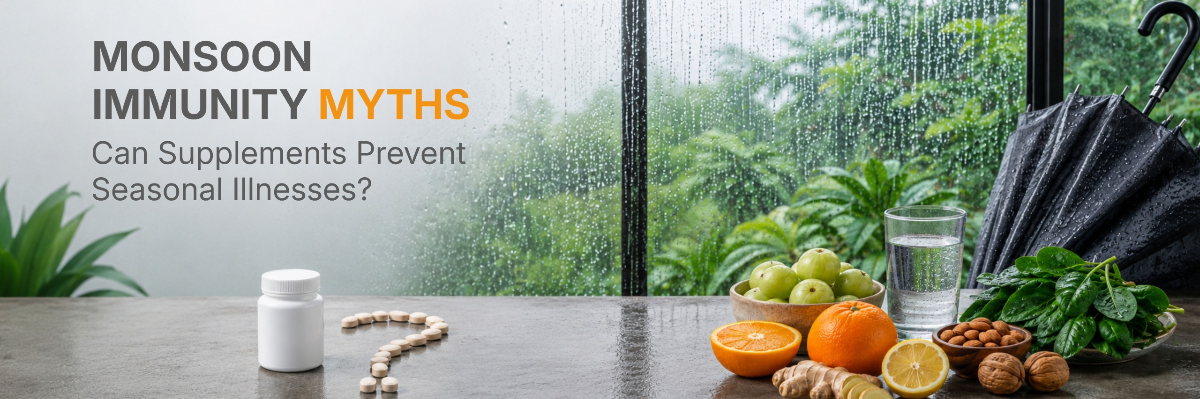
As the monsoon begins, so does the promotion of immunity-boosting tablets, vitamin drinks, herbal powders and health shots. Many of these products promise stronger immunity or protection from seasonal illnesses within a few days—or even overnight.
But can immunity really be boosted so quickly? And can supplements prevent common monsoon infections such as dengue, malaria, viral fever or stomach infections?
The simple answer is: there is no single tablet, drink or food that can provide instant immunity or guarantee protection against seasonal illnesses.
Understanding How Immunity Works
The immune system is a complex network of organs, cells and proteins that protects the body from harmful viruses, bacteria and other microorganisms.
It requires several nutrients to function normally, but immunity does not depend on one particular vitamin or food. It is supported by consistent habits such as:
-
Eating a balanced diet
-
Getting adequate sleep
-
Exercising regularly
-
Managing stress
-
Maintaining personal hygiene
-
Staying hydrated
-
Managing existing health conditions
-
Taking recommended vaccinations
Better nutrition is associated with stronger immune function, but no single food can prevent every infection. The World Health Organization identifies good nutrition as an important part of healthy immune-system function.
Myth 1: Immunity Can Be Boosted Overnight
Reality: Immunity cannot be transformed overnight with a tablet, herbal drink or special diet.
Your immune system is influenced by your overall nutrition, sleep pattern, physical activity, stress levels, age and health condition. A single product cannot compensate for weeks or months of poor lifestyle habits.
Instead of looking for an instant immunity boost, focus on building habits that support your health consistently.
Myth 2: Vitamin C Prevents All Monsoon Infections
Vitamin C plays an important role in normal immune function. However, taking excessive amounts does not guarantee protection from dengue, malaria, chikungunya, typhoid or other seasonal illnesses.
Most people can obtain vitamin C through foods such as:
-
Oranges and lemons
-
Amla
-
Guava
-
Tomatoes
-
Capsicum
-
Broccoli
-
Green leafy vegetables
Vitamin C supplements may be advised in certain situations, but they should not be treated as a substitute for mosquito control, safe drinking water, hygiene or medical treatment.
Myth 3: Everyone Needs Immunity Supplements During the Monsoon
Reality: Not everyone requires supplements.
A varied and nutritious diet can provide many of the vitamins and minerals needed for normal immune function. Supplements may be useful when a person has a confirmed deficiency, limited dietary intake, certain medical conditions or an increased nutritional requirement.
According to the US National Institutes of Health, nutritious foods can provide the vitamins, minerals and other nutrients needed to support a healthy immune system.
Supplements should ideally be taken after medical evaluation, especially by:
-
Pregnant or breastfeeding women
-
Children
-
Older adults
-
People with kidney or liver conditions
-
Patients taking regular medication
-
People undergoing treatment for chronic illnesses
Myth 4: Herbal Means Completely Safe
Products labelled “natural” or “herbal” are not automatically safe for everyone.
Some herbal preparations can cause allergies, digestive problems or interact with medicines. The quality and quantity of their ingredients may also vary.
Patients taking blood thinners, diabetes medicines, blood-pressure medicines or treatment for kidney and liver problems should be particularly careful. Always discuss supplements and herbal products with a qualified healthcare professional.
Myth 5: More Vitamins Mean Stronger Immunity
Reality: Taking vitamins in larger quantities does not necessarily make the immune system stronger.
Some vitamins and minerals can be harmful when consumed in excessive amounts. High doses may cause side effects or interact with medicines.
For example, unnecessary supplementation may lead to digestive problems, affect the absorption of other nutrients or place additional strain on the body. Take supplements only in the recommended dosage and duration.
Myth 6: Strong Immunity Means You Will Never Fall Sick
Even a healthy person can develop an infection after exposure to a virus, bacterium or infected mosquito.
Good overall health may help the body respond to an infection, but it does not provide guaranteed protection. Preventive measures remain essential during the monsoon.
These include:
-
Preventing water from collecting around the house
-
Using mosquito repellents and window screens
-
Drinking water from a safe source
-
Eating fresh and properly cooked food
-
Washing hands regularly
-
Avoiding contaminated floodwater
-
Keeping wet clothes and footwear dry
-
Seeking medical attention for persistent symptoms
What Actually Supports Immunity?
1. Eat a Balanced Diet
Include a variety of vegetables, fruits, whole grains, pulses, nuts, seeds, dairy products and suitable sources of protein.
No single “superfood” can provide every nutrient your body needs. Variety and consistency are more important than following short-term immunity diets.
2. Get Adequate Sleep
Poor or insufficient sleep can affect the body’s normal immune response. Maintain a regular sleep schedule and aim for restful sleep every night.
3. Stay Physically Active
Regular physical activity supports overall health, circulation and stress management. Choose an activity appropriate for your age and medical condition.
4. Manage Stress
Long-term stress can affect sleep, appetite and overall wellbeing. Breathing exercises, meditation, yoga, hobbies and spending time with family may help manage everyday stress.
5. Stay Hydrated
Humidity and sweating can contribute to fluid loss. Drink adequate water and choose water from a clean, reliable source.
6. Correct Nutritional Deficiencies
Deficiencies of nutrients such as vitamin D, vitamin B12, iron or other vitamins and minerals may require medical evaluation and treatment.
Avoid diagnosing a deficiency based only on tiredness or weakness, as these symptoms may have several causes.
When Should You Consult a Doctor?
Do not depend on immunity supplements when experiencing symptoms such as:
-
Persistent or high fever
-
Severe headache or body pain
-
Repeated vomiting
-
Breathing difficulty
-
Unusual weakness or drowsiness
-
Skin rash or bleeding
-
Reduced urine output
-
Persistent diarrhoea
-
Signs of dehydration
-
Symptoms that continue to worsen
Fever during the monsoon may require examination and diagnostic testing. Supplements cannot replace proper diagnosis or prescribed treatment.
Build Immunity Through Consistency, Not Quick Fixes
There is no magic tablet or drink that can strengthen immunity overnight. Supplements are helpful when medically required, but taking them without professional advice may be unnecessary or harmful.
A balanced diet, sufficient sleep, regular activity, stress management, good hygiene and timely medical care remain the most reliable ways to support your health.
This monsoon, do not fall for instant immunity claims. Choose healthy habits, informed decisions and timely healthcare.
Housepital provides doctor consultations, diagnostic support, trained nursing care and other healthcare services in the comfort of your home.
Need care for a loved one at home?
Trained nurses, caregivers and physiotherapists across Delhi NCR.
Explore our services