Early Signs of Heat Exhaustion You Should Never Ignore
By : Housepital, Published on : 25 Apr 2026
Early Signs of Heat Exhaustion You Should Never Ignore
As temperatures rise across India, what often feels like “just another hot day” can quickly turn into a serious health risk. Heat exhaustion is one of the most common yet overlooked heat-related conditions—and if ignored, it can progress to life-threatening heatstroke.
>This isn’t a minor concern. Globally, heat is now considered the leading cause of weather-related deaths, and its impact is only increasing.
Understanding the early warning signs can make all the difference.
What is Heat Exhaustion?
Heat exhaustion occurs when your body overheats due to prolonged exposure to high temperatures, especially when combined with dehydration.
It is your body’s way of signaling: “I’m struggling to cope with the heat.”
Globally, an estimated ~489,000 people die every year due to heat-related causes, highlighting how serious heat stress can become if ignored.
If addressed early, it is reversible. If ignored, it can escalate rapidly.
Early Signs You Should Never Ignore
Recognizing these symptoms early can help prevent complications:
1. Excessive Sweating
Heavy or continuous sweating is one of the earliest signs that your body is trying hard to cool itself down. While sweating is normal in heat, unusually excessive sweating—especially without relief—can indicate that your body is under stress and losing fluids and electrolytes faster than it can replenish them.
2. Fatigue & Weakness
You may start feeling unusually tired, drained, or physically weak even without much activity. Simple tasks like walking or standing may feel exhausting, as your body diverts energy toward temperature control instead of normal functioning.
3. Dizziness or Lightheadedness
A feeling of imbalance or faintness can occur when dehydration affects blood circulation. This increases the risk of falls—especially in elderly individuals—and signals that your body needs immediate cooling and hydration.
4. Headache
Persistent or throbbing headaches during heat exposure are commonly linked to dehydration and reduced blood flow to the brain. It is often one of the earliest internal warning signs of overheating.
5. Nausea or Vomiting
Heat stress can disrupt digestion, leading to nausea or vomiting. This worsens dehydration further, creating a cycle that can rapidly escalate if not managed early.
6. Muscle Cramps
Painful cramps occur due to the loss of essential salts (electrolytes) through sweating. These cramps may begin mildly but can become severe if hydration and electrolyte balance are not restored.
7. Cool, Clammy Skin
Despite being in a hot environment, the skin may feel moist, cool, or sticky. This is a warning sign that the body is struggling to regulate temperature effectively.
8. Rapid Pulse
An increased or weak pulse indicates that the heart is working harder to cool the body. This added strain becomes particularly risky for individuals with pre-existing health conditions.
Who is Most at Risk?
Certain groups are more vulnerable and may develop complications faster:
-
Elderly individuals
Aging reduces the body’s ability to regulate temperature, and studies show that over 80–90% of excess heat-related deaths occur in older adults. -
Children
Children’s bodies heat up faster and they often fail to recognize or communicate early symptoms, increasing the risk of delayed intervention. -
Post-hospital or recovering patients
Their physical reserves and immunity are already compromised, making it harder for the body to respond to heat stress effectively. -
People with chronic illnesses
Conditions like heart disease, diabetes, and respiratory disorders reduce the body’s ability to adapt to heat, significantly increasing the risk of complications. -
Outdoor workers or prolonged heat exposure
Globally, over 2.4 billion workers are exposed to excessive heat, leading to millions of heat-related injuries every year.
What Should You Do Immediately?
If you notice any of these signs:
-
Move to a cool or shaded area
-
Drink water or oral rehydration solutions (ORS)
-
Loosen tight clothing
-
Use cool compresses or take a lukewarm shower
-
Rest and avoid further heat exposure
When Does It Become Serious?
Heat exhaustion becomes dangerous when the body can no longer regulate its internal temperature effectively—and this transition can happen faster than expected.
Watch for these warning signs:
-
Confusion or disorientation
This indicates that rising body temperature is beginning to affect brain function. -
Fainting or loss of consciousness
A sign that circulation and oxygen supply are compromised—this requires immediate attention. -
Very high body temperature (above 40°C / 104°F)
At this stage, the body’s cooling system has failed, and the risk of organ damage increases significantly. -
Little or no sweating despite heat
This is a critical red flag indicating progression to heatstroke, where the body stops cooling itself.
In India alone, over 20,000 heatstroke deaths were recorded between 2000–2020, and the actual numbers may be even higher due to underreporting.
At this stage, it may indicate heatstroke, a medical emergency that requires immediate intervention to prevent organ failure or death.
How Home Healthcare Can Help
At Housepital, we understand that early signs often appear at home—and timely care can prevent escalation.
Our trained caregivers and medical professionals can:
-
Monitor vital signs consistently
Regular tracking of temperature, pulse, and hydration helps identify deterioration before it becomes critical. -
Ensure structured hydration and electrolyte balance
Many heat-related complications stem from delayed or inadequate fluid intake, which can be managed effectively with guided care. -
Provide close observation for high-risk individuals
Elderly and recovering patients require continuous monitoring, especially during peak heat hours when risk is highest. -
Enable early medical intervention at home
Recognizing warning signs early can prevent emergency situations and reduce the need for hospitalization. -
Create a safe, heat-managed environment
From room temperature control to assisted daily care, the right environment plays a crucial role in recovery and prevention.
Final Thought
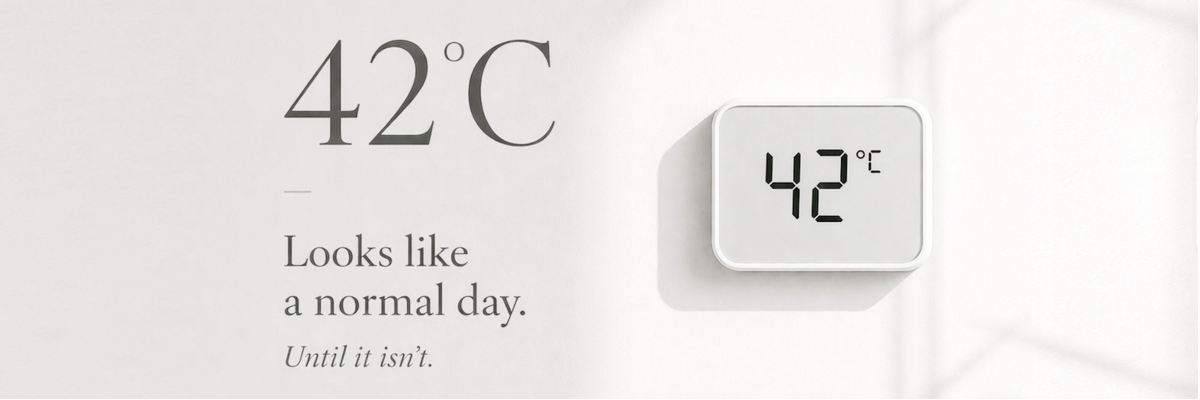
It may look like a normal summer day.
Until it isn’t.
Don’t ignore the early signs your body is giving you. Acting early can prevent serious complications—and even save lives.
Need care for a loved one at home?
Trained nurses, caregivers and physiotherapists across Delhi NCR.
Explore our services