Monsoon Health Guide: Stay Safe & Healthy This Rainy Season
By : Housepital, Published on : 11 Jul 2026
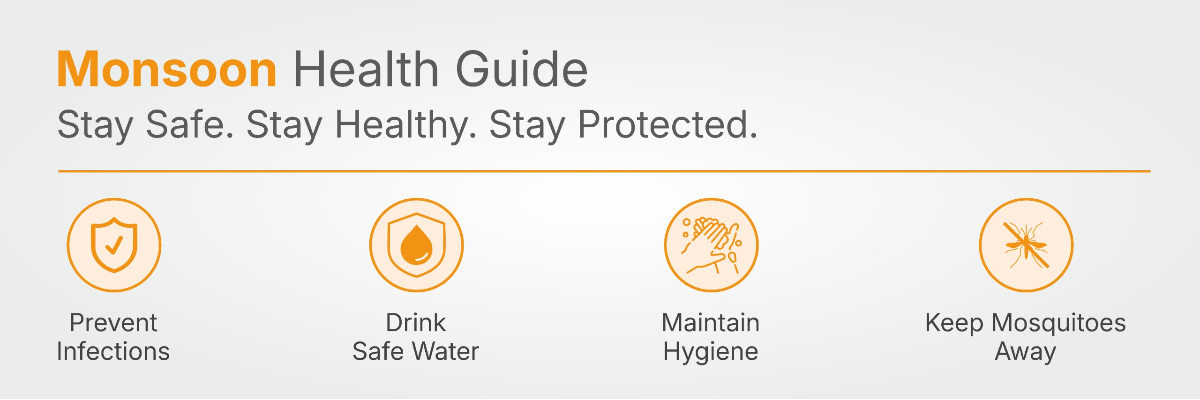
The arrival of the monsoon brings much-needed relief from the summer heat, but it also marks the beginning of a season that increases the risk of infections, injuries, and the worsening of existing health conditions. Waterlogging, humidity, mosquito breeding, and contaminated food and water make monsoon one of the most challenging seasons for maintaining good health.
At Housepital, we believe that prevention is always better than cure. Whether you're caring for children, elderly parents, or someone recovering from surgery, taking a few extra precautions during the rainy season can make all the difference.
Common Health Risks During Monsoon
1. Viral Fever & Seasonal Infections
Sudden changes in temperature and increased humidity create the perfect environment for viruses to spread. Fever, sore throat, body aches, cough, and fatigue are among the most common complaints during this season.
If symptoms persist beyond two days or are accompanied by difficulty breathing, dehydration, or persistent high fever, medical evaluation should not be delayed.
2. Mosquito-Borne Diseases
Monsoon significantly increases the risk of mosquito-borne illnesses such as:
-
Dengue
-
Malaria
-
Chikungunya
These infections often begin with high fever, severe body pain, headaches, rashes, or weakness. Early diagnosis and proper medical care are essential to prevent complications.
3. Water & Food-Borne Illnesses
Contaminated drinking water and unhygienic food can lead to:
-
Food poisoning
-
Diarrhoea
-
Typhoid
-
Hepatitis A
-
Gastroenteritis
Children and older adults are especially vulnerable to dehydration caused by these illnesses.
4. Respiratory Problems
Humidity can worsen existing respiratory conditions such as:
-
Asthma
-
COPD
-
Allergies
-
Sinus infections
People with chronic lung diseases should continue their prescribed medications and avoid exposure to damp environments.
Who Needs Extra Care During Monsoon?
Elderly Individuals
Older adults have relatively weaker immunity and often live with chronic conditions like diabetes, hypertension, heart disease, or respiratory illnesses. Even a mild infection can become serious if left untreated.
Regular health monitoring and timely medical attention are particularly important during this season.
Children
Children spend more time outdoors and have developing immune systems, making them more susceptible to viral infections and stomach illnesses.
Ensure proper hand hygiene, nutritious meals, and clean drinking water.
Patients Recovering at Home
Individuals recovering from surgery, stroke, fractures, or prolonged illness require extra protection against infections during monsoon. Proper wound care, hygiene, physiotherapy, and nursing support help ensure smooth recovery.
Patients with Chronic Diseases
People living with diabetes, heart disease, kidney disorders, or lung diseases should continue medications regularly and monitor their health closely throughout the rainy season.
Monsoon Health Tips Everyone Should Follow
Drink Safe Water
Always drink boiled, filtered, or purified water. Avoid consuming water from uncertain sources.
Eat Freshly Cooked Food
Choose home-cooked meals whenever possible. Avoid uncovered street food and foods that have been stored for long periods.
Maintain Hand Hygiene
Wash your hands frequently with soap and water, especially before meals and after returning home.
Keep Mosquitoes Away
-
Remove stagnant water around your home.
-
Use mosquito repellents.
-
Install window screens.
-
Wear full-sleeved clothing during evenings.
Stay Dry
Wet clothes and footwear increase the risk of fungal infections and skin problems. Change into dry clothes as soon as possible after getting wet.
Boost Your Immunity
Eat seasonal fruits, green vegetables, whole grains, adequate protein, and stay hydrated. Proper sleep and regular physical activity also strengthen immunity.
Continue Your Medications
Do not skip medicines prescribed for chronic illnesses. Keep sufficient medicines available to avoid interruptions during heavy rainfall.
Warning Signs That Require Medical Attention
Consult a healthcare professional immediately if you experience:
-
High fever lasting more than 48 hours
-
Severe weakness or dehydration
-
Persistent vomiting or diarrhoea
-
Difficulty breathing
-
Chest pain
-
Confusion or drowsiness
-
Reduced urine output
-
Uncontrolled blood sugar or blood pressure
Early medical intervention can prevent serious complications.
Healthcare at Home During Monsoon
Travelling to hospitals during heavy rains may not always be easy, especially for elderly individuals or patients recovering at home.
Professional home healthcare allows patients to receive quality medical care without unnecessary travel. Services such as doctor consultations, skilled nursing, physiotherapy, medical equipment support, laboratory sample collection, and caregiver assistance can be provided safely in the comfort of home.
This reduces the risk of exposure to seasonal infections while ensuring uninterrupted treatment and recovery.
Final Thoughts
Monsoon is a beautiful season, but it also demands greater attention to health and hygiene. Small preventive measures—clean drinking water, nutritious food, mosquito control, regular health monitoring, and timely medical care—can go a long way in keeping you and your loved ones safe.
If you or your family members require medical support, nursing care, physiotherapy, or post-hospital recovery assistance during the rainy season, professional home healthcare can ensure expert care while you stay comfortable at home.
Stay prepared. Stay protected. Stay healthy this monsoon.
Need care for a loved one at home?
Trained nurses, caregivers and physiotherapists across Delhi NCR.
Explore our services